
Phishing · Email
Messages impersonating a person or organisation to request data, prompt a payment or direct us to a fraudulent page. The apparent sender is not enough: verifying the request matters.
The Method
Mentalism, humour and participation to reveal how social engineering works and turn awareness into an experience that encourages people to think before acting.
Back to Business →01 · The experience
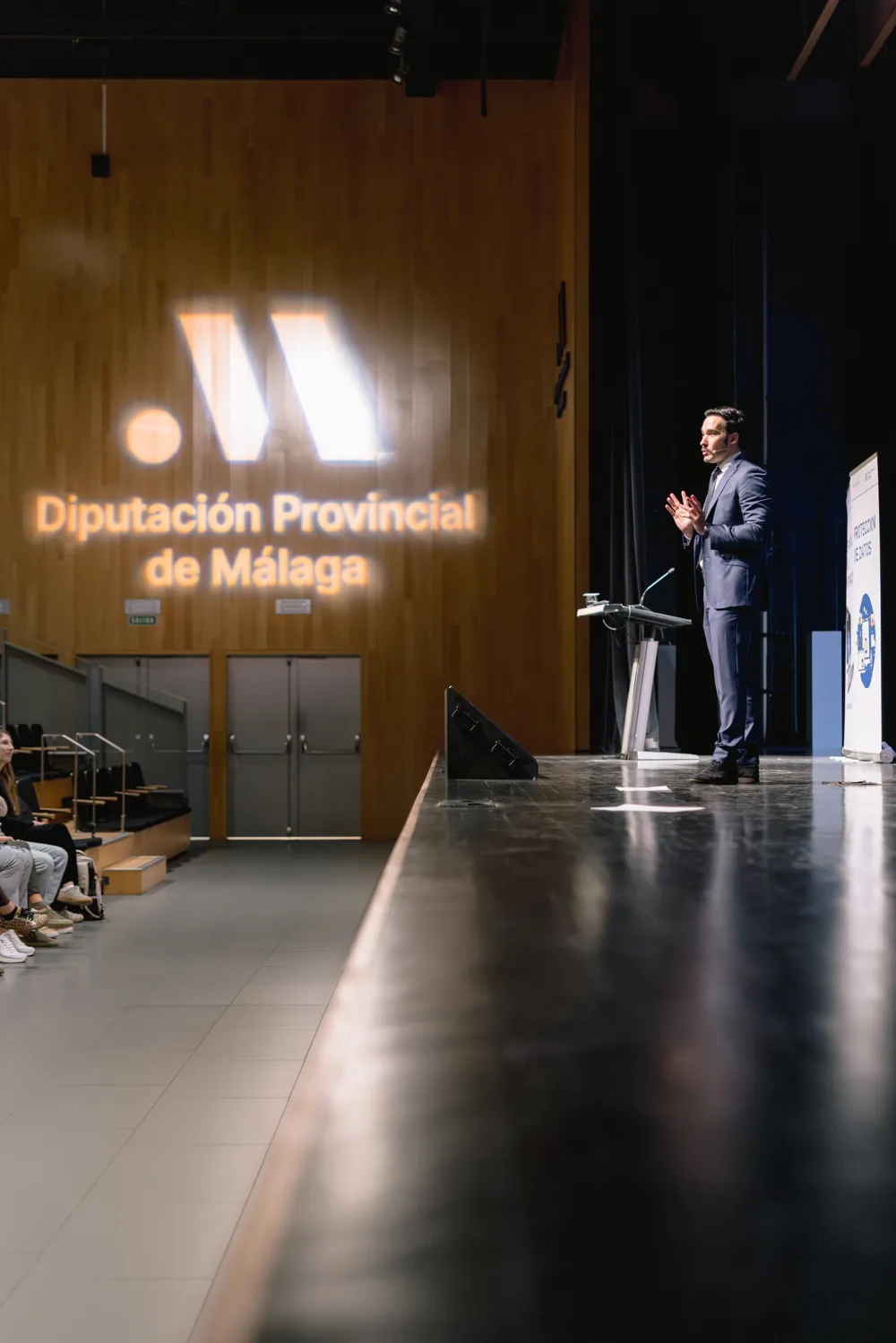
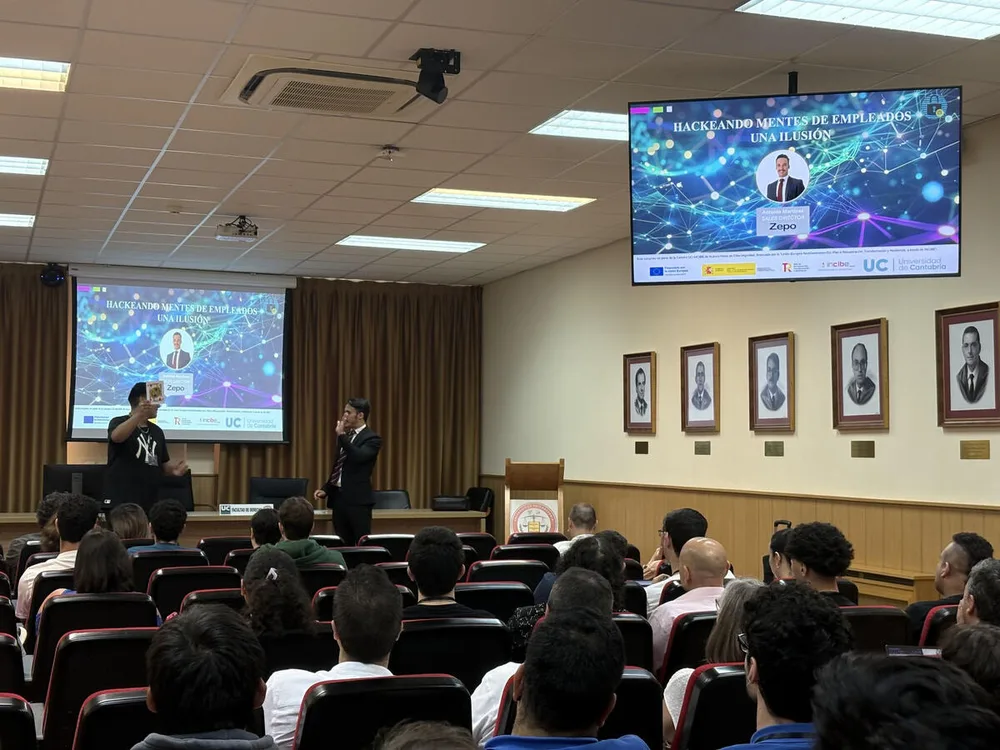
An urgent request. A message that looks familiar. A decision we make almost without thinking. Mentalism can bring these situations to the stage and open a conversation with the audience.
Humour and demonstrations invite us to observe how we build trust and interpret what happens. Participation is adapted to the context and respects every attendee.
02 · The human factor
Why do we trust an unexpected call? What makes us click a suspicious link? How does our judgement change when someone puts us under pressure?
Social engineering exploits our trust, urgency, apparent authority or fear to try to make us share information, authorise a payment or take an action.
Mentalism lets us observe up close how attention, perception and context influence our decisions. The experience opens a conversation about warning signs and security habits.
Messages impersonating a person or organisation to request data, prompt a payment or direct us to a fraudulent page. The apparent sender is not enough: verifying the request matters.
Fraudulent text messages may pretend to be delivery updates, bank alerts or reports of a problem, requesting urgent action through a link or phone number.
Calls impersonating an organisation or person to obtain information, payments or access. Even a familiar voice should not replace verification through a known channel.
Impersonations of family members, colleagues or managers requesting money or information. Confirm the person's identity before acting, especially when requests are unexpected.
A QR code can lead to a fraudulent page. Scanning it does not prove that the destination is legitimate: check where it leads and what it asks for.
Passwords and verification codes can be targets for deception. These experiences invite us to reflect on how we protect access to our accounts.
Further reading: phishing, smishing and vishing at INCIBE ↗ · phone scams ↗
Artificial intelligence · Digital trust
Generative AI can enable more convincing, personalised messages, voice impersonation and synthetic images or videos. It can increase the scale and credibility of some scams, but phishing, smishing, vishing and quishing also exist without artificial intelligence.
The challenge is not just technological: it is recognising warning signs before trusting, clicking or sharing information. Urgency or a familiar appearance should not replace verification.
ENISA: emerging technologies and phishing ↗ · INCIBE: AI and cybersecurity ↗
Illustrative examples of everyday risks; these are not client cases or testimonials.
Scams targeting teams and senior management may rely on a seemingly legitimate instruction, a confidential request or an urgent decision. Pausing, checking the request and using internal consultation and reporting channels are part of a mindful response.
03 · Why this approach
Surprise can capture attention. Emotion plays a role in how memories are consolidated. Participation lets us ask questions, compare ideas and reflect on a decision.
Research supports these mechanisms in specific contexts: divided-attention studies show its importance in encoding memories; McGaugh's review examines the role of emotion in memory consolidation; and Freeman and colleagues found better academic outcomes with active learning in university studies.
Mentalism uses these ingredients to invite reflection on digital risk. These studies do not evaluate The Cyber Mentalist or demonstrate that a show produces a specific improvement in retention or a reduction in incidents.
04 · What we aim to achieve
Make the signs of a suspicious request visible, question the pressure to act quickly and recall the importance of verifying before sharing information.
An experience can start the conversation; sustaining a security culture takes continuity. This approach complements internal awareness programmes and their consultation and reporting channels.
Cybersecurity Awareness · The human factor
Technology is essential, but recognising manipulation, questioning a suspicious request and detecting social engineering attempts are also part of a strong security culture.
The NIS2 Directive reinforces the importance of training, awareness and cyber hygiene practices in organisations within its scope.
The Cyber Mentalist offers participatory experiences that encourage reflection on these behaviours and complement cybersecurity awareness programmes.
Article 20 addresses governance and training for management bodies; Article 21 includes basic cyber hygiene practices and cybersecurity training among risk-management measures.
NIS2 Directive · Articles 20 and 21 ↗The scope and specific obligations must be assessed under the legislation applicable to each organisation. This experience does not certify NIS2 compliance or replace required programmes.
05 · Formats and audiences
Corporate sessions for employees, senior management gatherings and experiences within events or awareness programmes. The language, activities and depth are adapted to the audience and the event's objective.
For teams, the focus can be on everyday signals and habits. For executives, on targeted fraud, impersonation and decisions under pressure.